
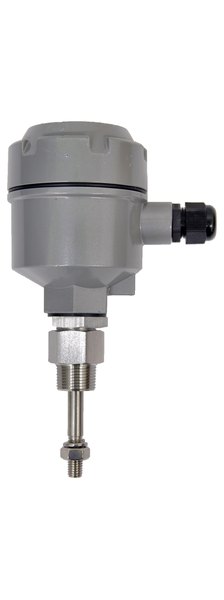
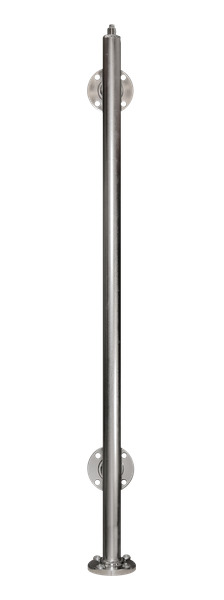
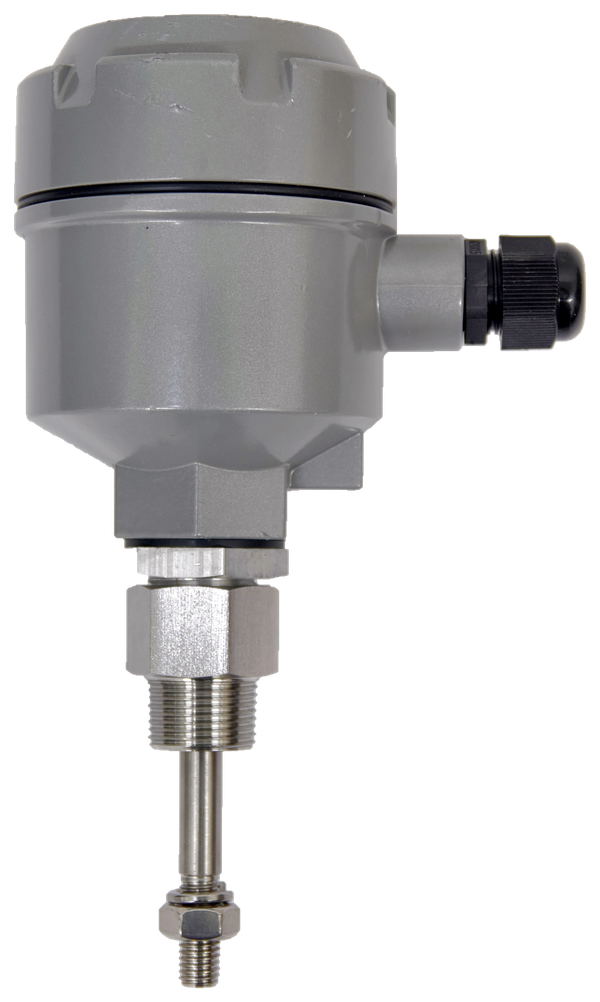
SSR-100, paddle not fitted
Silosight™ Rotary paddle bin level switch
Silosight™ SSR-100 is a rotary paddle level switch for bulk solids in silos, bins and hoppers, for high, intermediate and low level alarms. A synchronous motor turns the paddle at about 1 RPM; when material covers the paddle and stops it, the SPDT relay transfers. It needs no calibration and is unaffected by dust, humidity or the dielectric properties of the material.
- Output contact
- SPDTrelay, 10 A at 250 VAC
- Supply
- 120 VAC50/60 Hz; 24 VDC or 220 VAC on request
- Process connection
- ¾ in NPTside or top mounting
- Process temperature, to
- 212 °F100 °C, standard
Paddle speed 1 RPM · power 3 W · bulk density from 31 lb/ft³ (0.5 g/cm³)
Product
Silosight SSR-100
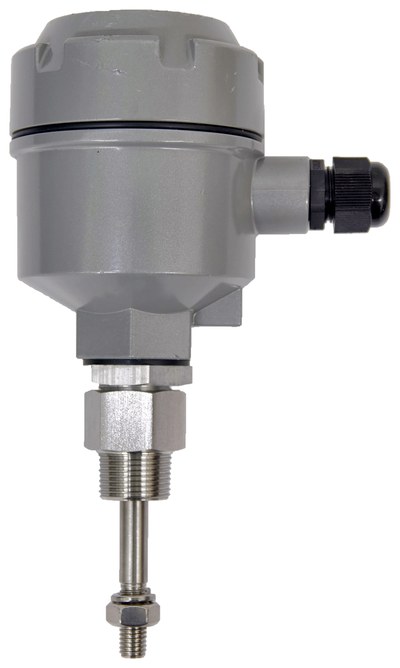
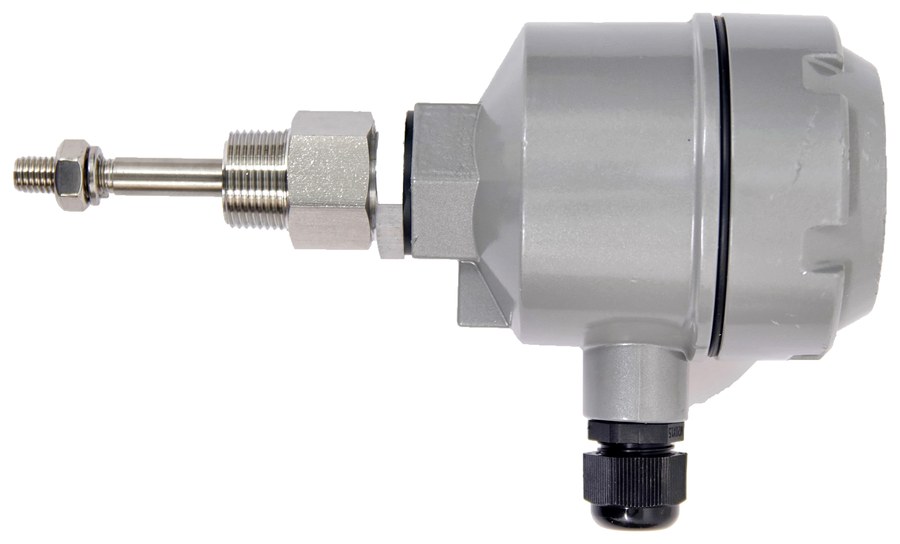
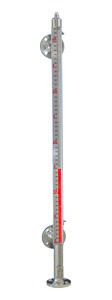
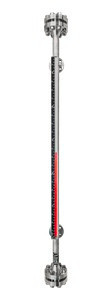
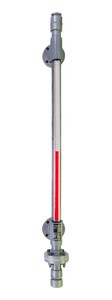
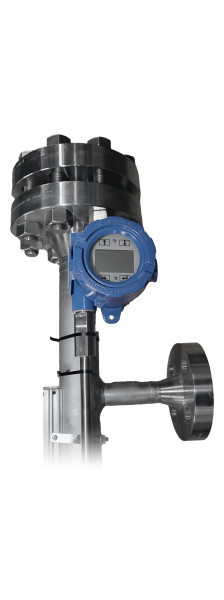
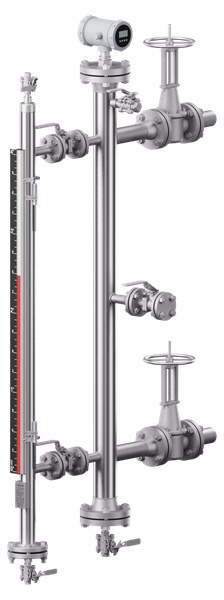
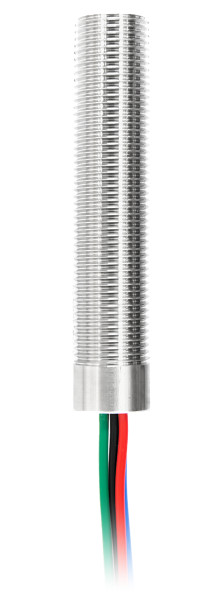
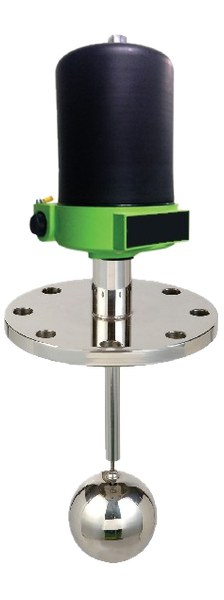
Photographs of the SSR-100, shown without its paddle. Nameplate and finish as supplied may differ.
Operation
Principle of operation
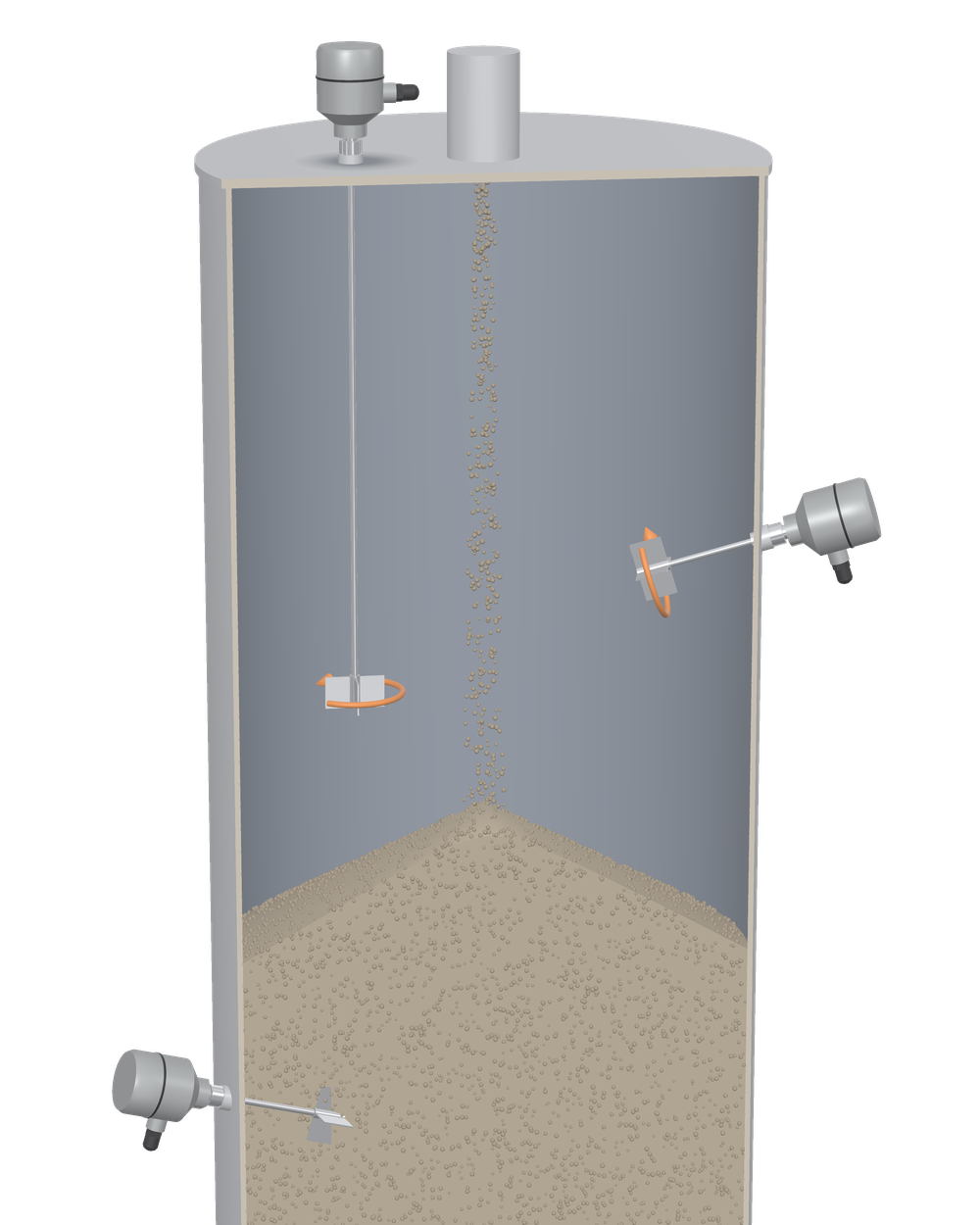
Paddle turning. A synchronous motor turns the paddle continuously at about 1 RPM. With no material at the paddle it turns freely, and the relay holds the uncovered (empty) state.
Paddle covered. When rising material covers the paddle and stops it, the motor stalls and the SPDT relay transfers to the covered (full) state. When the material falls away the paddle turns again and the relay returns by itself: there is nothing to reset and nothing to calibrate.
Mounting. Side-mounted switches go through the vessel wall inclined 15–20° downward, which sheds the material load from the shaft. Top-mounted switches go through the roof; a shaft extension is available where the switch point is below the roof.
Typical uses
- High level
- Stop the fill before a silo, bin or hopper overfills
- Low level
- Signal an empty bin, or protect a feeder or conveyor that runs out of material
- Interlocks
- A relay contact to start or stop a conveyor or a pump, or to the plant control system
- Materials
- Cement, lime, sand and other building materials; plastic pellets and granules
Options
Options and ordering
- Supply voltage
120 VAC, 50/60 Hz, standard. 24 VDC and 220 VAC on request, supplied wired for one voltage.
- Paddle
4-vane metal paddle, standard, for most granular materials. A larger paddle for light or fluffy materials; a smaller one for dense or coarse materials.
- Shaft extension
For a top mount, to place the paddle at the required depth below the roof. State the length.
- Stall torque
0.3 to 1 N·m, set in the field by a four-position spring. Factory setting: weak, correct for most standard materials.
- Temperature
To 212 °F (100 °C) standard. Higher-temperature versions on request.
Ordering
| Item | Standard | On request |
|---|---|---|
| Model | SSR-100 Silosight™ rotary paddle bin level switch, 1 × SPDT | |
| Supply | 120 VAC | 24 VDC · 220 VAC |
| Connection | ¾ in NPT | |
| Paddle | 4-vane | Larger or smaller paddle, to suit the material |
| Shaft | Standard | Extension, length to the order (top mount) |
Example: SSR-100, 120 VAC, ¾ in NPT, 4-vane metal paddle. The material, its bulk density and the mounting are stated on the order; Lamont Controls Engineering confirms the paddle and shaft for each order.
Data
Technical specifications
| Specification | Silosight™ SSR-100 |
|---|---|
| Function | Point level detection of bulk solids: high, intermediate or low level |
| Principle | Rotary paddle, motor-stall sensing; no calibration |
| Output contact | SPDT relay, 10 A at 250 VAC |
| Supply | 120 VAC, 50/60 Hz, standard; 24 VDC and 220 VAC on request |
| Power consumption | 3 W |
| Paddle speed | 1 RPM, synchronous motor |
| Process connection | ¾ in NPT |
| Paddle | 4-vane metal paddle, standard; other paddles and shaft extensions on request |
| Material bulk density | 31 lb/ft³ (0.5 g/cm³) and above |
| Stall torque | 0.3 to 1 N·m, four-position spring, adjustable in the field |
| Process temperature | To 212 °F (100 °C), standard; higher-temperature versions on request |
| Insulation | 1,500 V for 1 minute |
| Mounting | Side, through the vessel wall inclined 15–20° downward; or top, through the roof, with a shaft extension where the switch point is below the roof |
| Location | Ordinary (non-hazardous) locations |
Service. For ordinary (non-hazardous) locations. Not for a classified location, where a combustible dust or flammable gas atmosphere may be present. Not for use in a safety instrumented function.
Installation
Wiring and contact states
| Contact | Closed when | Use |
|---|---|---|
| C–Lcommon to L | The paddle turns: the vessel is empty at the switch | Low level alarm: closes when the material falls below the paddle |
| C–Hcommon to H | The paddle is stalled: the vessel is full at the switch | High level alarm: closes when the material reaches the paddle |
Supply and ground. 120 VAC, 50/60 Hz, to the two supply terminals, with an external fuse or breaker. Each switch is supplied wired for one voltage: do not connect 220 VAC or 24 VDC to a 120 VAC switch. Bond the housing to the plant grounding system.
Loss of power. The switch tracks the level only while it is powered. Supervise the supply, or design the alarm circuit so that loss of power drives the safe state for the process.
Commissioning. With the vessel empty at the switch, power the unit and confirm the paddle turns. Stop the paddle by hand: the relay transfers; release it and the relay resets.
Enquiry
What to send for a quotation
A complete request is quoted fastest. Send the available details; Lamont Controls Engineering will ask for the rest.
- Quantity and alarmHigh, intermediate or low level for each switch.
- MaterialThe material and its bulk density, so the paddle and the torque setting suit it.
- MountingSide or top. For a top mount, the depth of the switch point below the roof.
- Supply voltage120 VAC standard; 24 VDC or 220 VAC.
- Process temperatureThe temperature of the material at the switch.
- Tag numbers and required dateOne request can cover several switches; give each a tag number.
Quotation
Request a quotation
Complete the fields below, or attach the datasheet, requisition or tag list: with a file attached, the switch fields are optional. Fields marked * are required for pricing.
For several switches, send one request with a tag number for each, or attach the tag list. For a general enquiry, select Quick message.
What happens nextLamont Controls Engineering reviews the request and replies with a quotation.
1-833-7LAMONT info@lamontcontrols.comQuestions
Silosight questions
What does the Silosight™ switch detect?
The presence or absence of bulk solids at the paddle, in a silo, bin or hopper. The SSR-100 gives an SPDT relay output for a high, intermediate or low level alarm, or for an interlock. For liquid level alarms, see SnapTrip™ float and displacer switches.
How does a rotary paddle level switch work?
A synchronous motor turns the paddle at about 1 RPM. When material covers the paddle and stops it, the motor stalls and the relay transfers to the covered state. When the material falls away the paddle turns again and the relay returns by itself, so there is nothing to reset or calibrate.
Which materials suit it?
Granular bulk solids with a bulk density of 31 lb/ft³ (0.5 g/cm³) and above, such as cement, lime, sand and plastic pellets. The 4-vane paddle suits most granular materials; a larger paddle suits light or fluffy materials and a smaller paddle dense or coarse ones. The stall torque is set in the field with a four-position spring.
Can it be installed where combustible dust may be present?
No. The SSR-100 is for ordinary (non-hazardous) locations. It must not be installed in a classified location, where a combustible dust or flammable gas atmosphere may be present.
What happens if the power fails?
The switch tracks the level only while it is powered, so the output of a de-energized unit must not be trusted. Supervise the supply, or design the alarm circuit so that loss of power drives the safe state for the process.
What should a request include?
The quantity and the alarm for each switch, the material and its bulk density, side or top mounting with the switch point for a top mount, the supply voltage and the process temperature. Lamont Controls Engineering replies with a quotation.
Downloads
Documentation
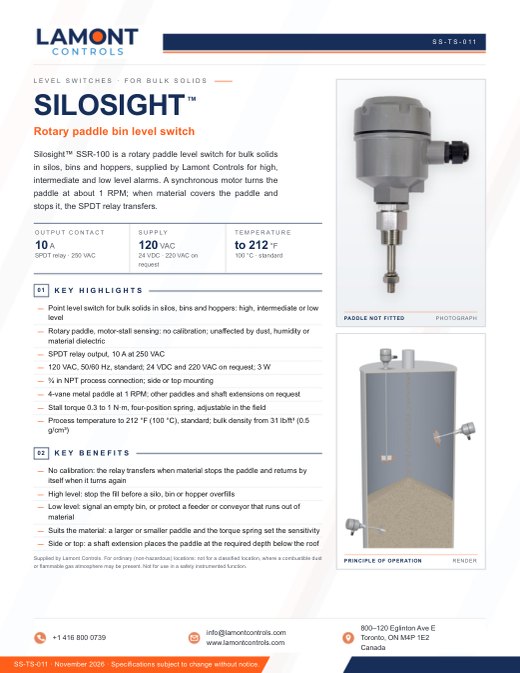 SS-TS-011 · NOVEMBER 2026Technical specification sheetDownload
In this sheet
- Page 1. Overview, key figures, highlights and benefits.
- Page 2. Technical specifications: principle, function, output contact, supply, process connection, paddle, bulk density, stall torque, temperature, mounting, wiring and ordering.
Installation. The installation and operating manual is sent with each order and on request.