
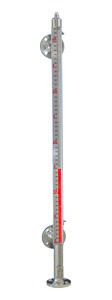
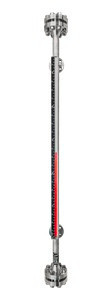
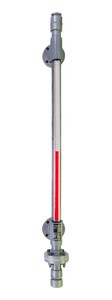
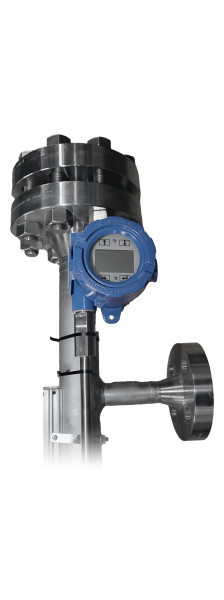
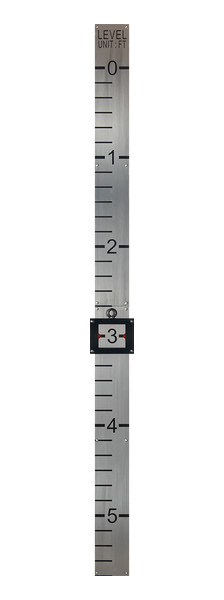

How a magnetic level gauge works
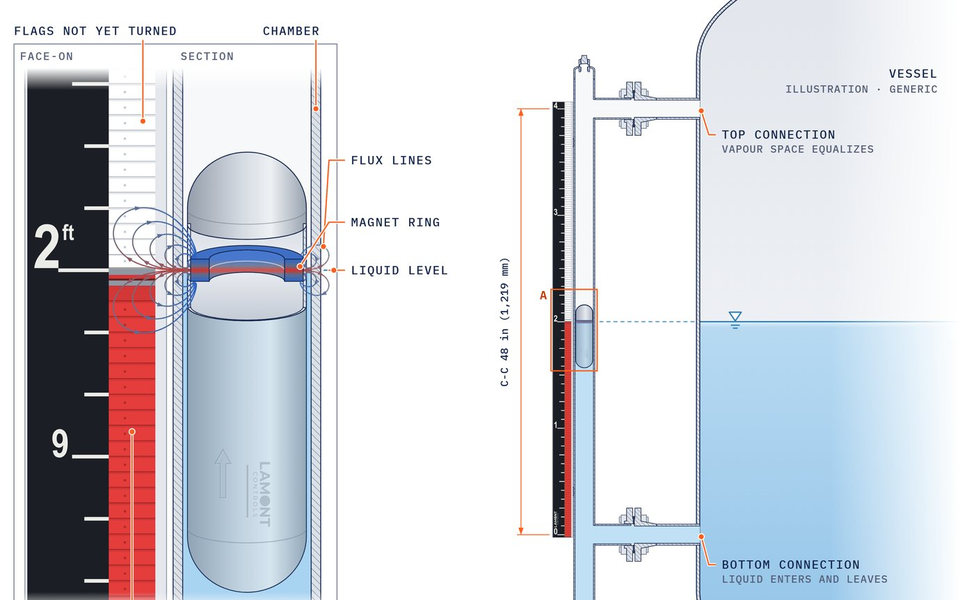
The operating principle, animated to scale: the chamber shares the vessel’s level, and the float magnet turns the indicator flags with no power.
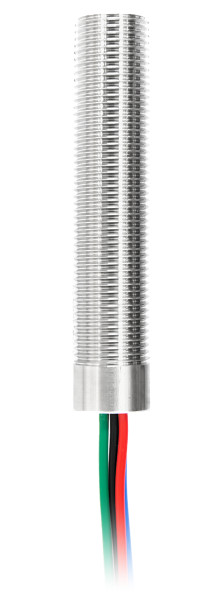
Level transmitters
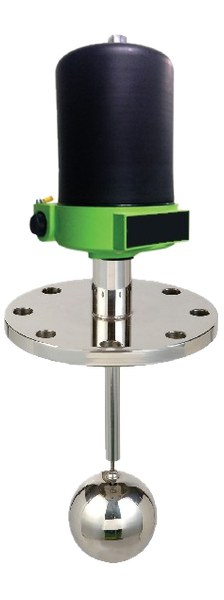
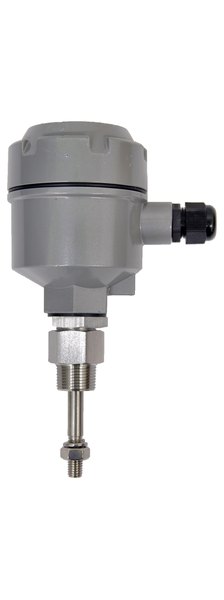
Level switches
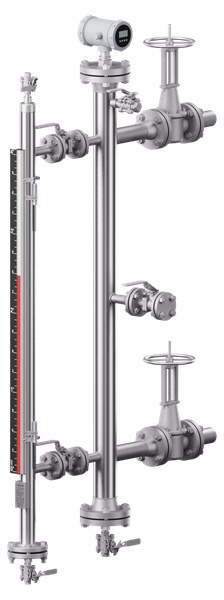
Level bridles and chambers
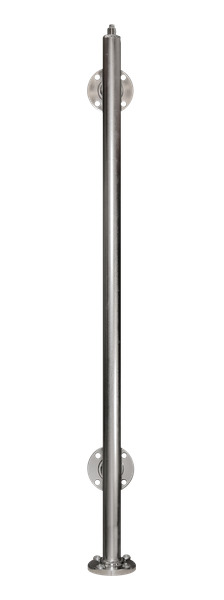 Level bridlesBridles and external chambersSS316, engineered to order
Retrofits and spare parts
Product selection
Send the fluid, specific gravity, design pressure and temperature, and centre-to-centre dimension. Lamont Controls Engineering recommends the gauge.
Request a quotationDocumentationCookies on this site
Analytics, advertising cookies (including our ads on other sites) and session recording stay off unless you accept. These tools show how the site is used and which advertising brings enquiries, and let Google and Microsoft show our ads to past visitors on other sites. The choice can be changed at any time under Cookie settings at the foot of each page. Privacy policy
Technical articles and guides on magnetic level gauges, written by Lamont Controls Engineering. They explain how a magnetic level gauge works, how to specify, install and troubleshoot one, and how it compares with other level measurement technologies.
The operating principle, animated to scale: the chamber shares the vessel’s level, and the float magnet turns the indicator flags with no power.
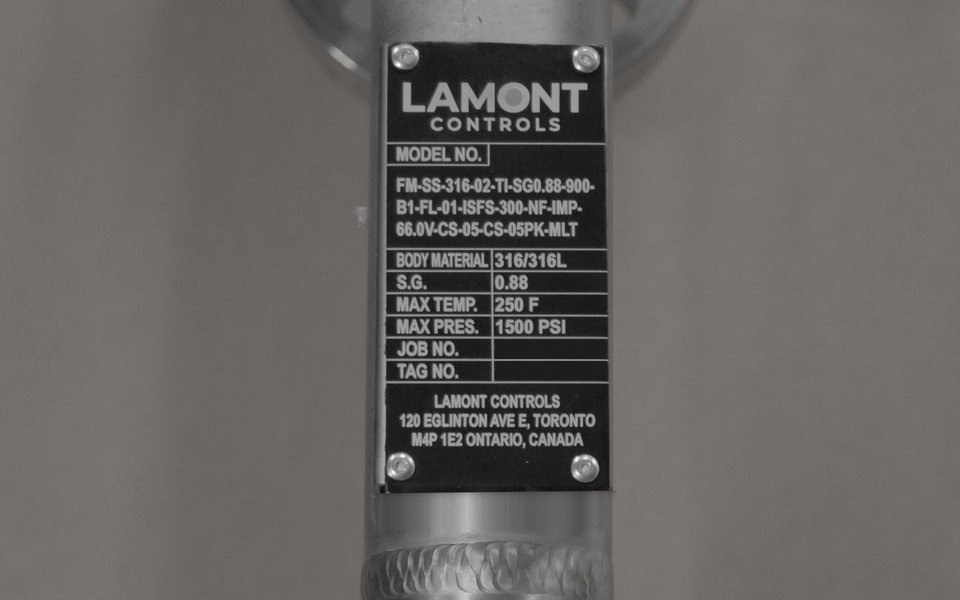
The process data a quotation needs, the choice of gauge line, and the 18-position Lamont model code, explained position by position.
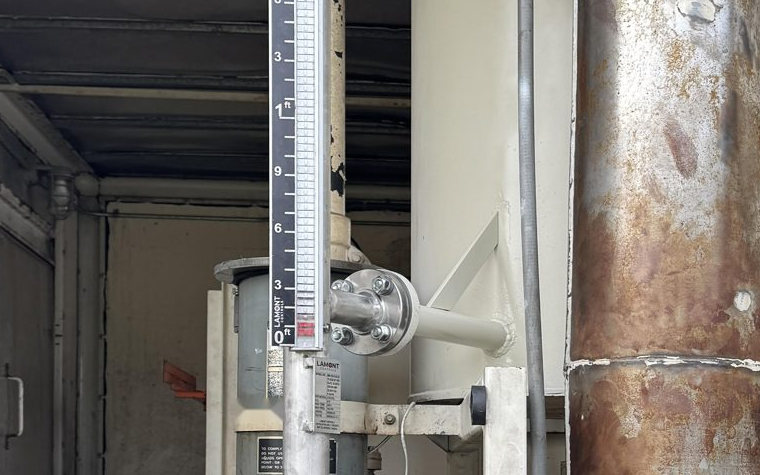
Seven installation practices, from planning for the process conditions and handling the float to start-up checks and maintenance.
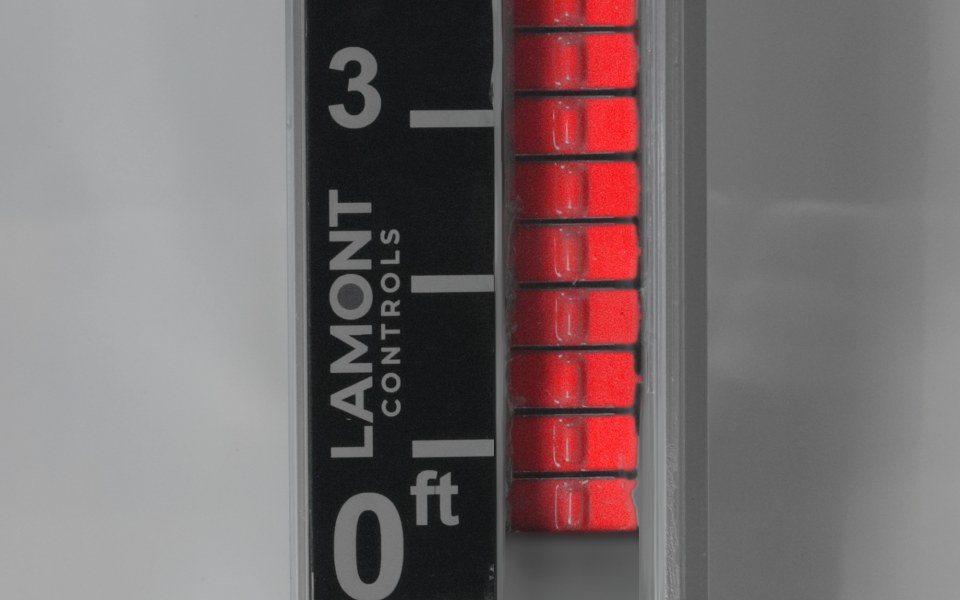
Five common problems, from a sticking float to a leaking flange, each with its symptoms, causes and remedies.
Magnetic level gauges compared with sight glasses and with differential pressure, radar, ultrasonic and capacitance level measurement.
By product
Specification sheets, brochures and model code references are available from each product page.