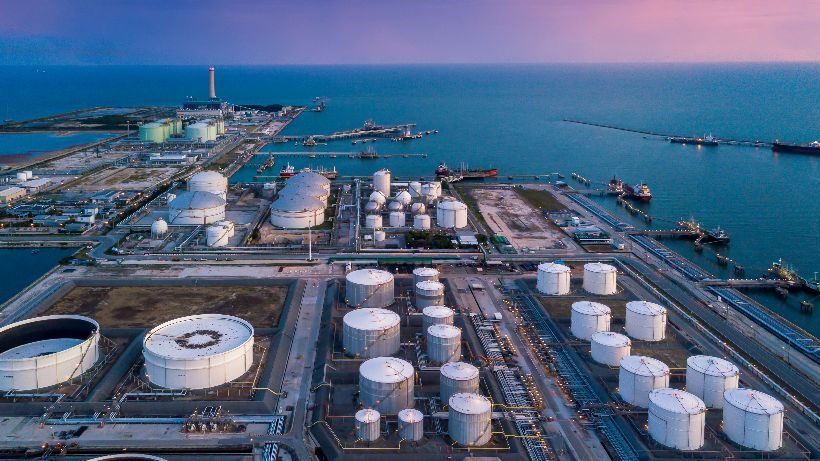
LPG and propane level gauges For propane, butane and LPG storage and process vessels
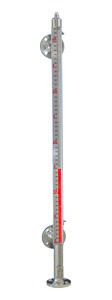
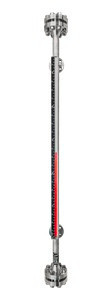
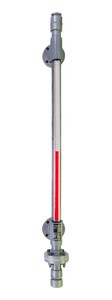
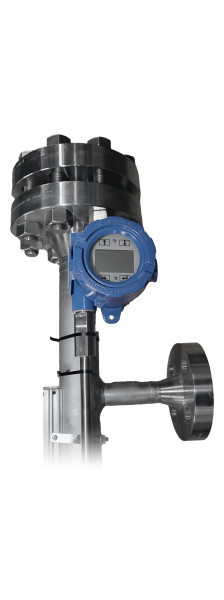
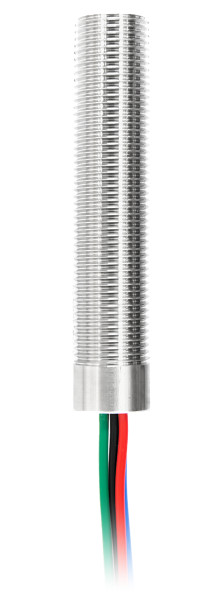
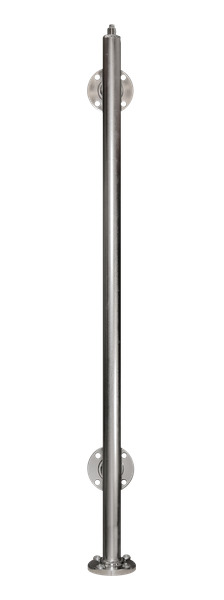
Liquid propane has about half the density of water, becomes lighter as it warms, and is stored under its own vapour pressure. In this low-SG service, an LPG or propane tank level gauge needs a float lighter than the liquid yet strong enough for the tank’s design pressure, and a sealed pressure boundary with no glass. Lamont builds Magnamont™ magnetic level gauges with titanium floats for propane, butane and LPG mixes, and Fortimag™ gauges for high-pressure and flashing service. Heat tracing is available for cold climates. SurePoint™ alarm switches and a LevelSync™ 4–20 mA transmitter mount on the same chamber. Lamont has supplied heat-traced, insulated gauges for a propane terminal.
- Minimum SG
- 0.34consult factory below 0.45 on Magnamont™
- Pressure, Magnamont™
- 3,400 psigfull vacuum to 234 bar
- Temperature
- −40…+842 °Flower on application review
- Flashing service
- VaporGuard™option VG, Fortimag™
Ratings are confirmed at quotation.
Service conditions
LPG and propane service
- Low SG. Liquid propane is about SG 0.51 at 60 °F (16 °C). The float must be lighter than the liquid, yet strong enough for the tank’s design pressure. Low weight and high pressure rating are opposing requirements; titanium’s strength-to-weight ratio meets both.
- Seasonal SG change. Outdoors, propane SG ranges from about 0.57 in winter to 0.46 on a hot day (see the engineering note). The float is weighted for the SG where the level matters most.
- Pressure. LPG is stored under its own vapour pressure. The gauge and its float are specified to the tank’s design pressure and temperature, and the flange class is checked at that temperature.
- Cold and flashing. Liquid propane boils at about −44 °F (−42 °C) at atmospheric pressure, so a chamber drained or vented quickly can chill below the −40 °F (−40 °C) standard minimum. Specify the minimum design metal temperature; lower temperatures are on application review. Fortimag™ VaporGuard™ prevents vapour entrapment under boiling or flashing conditions.
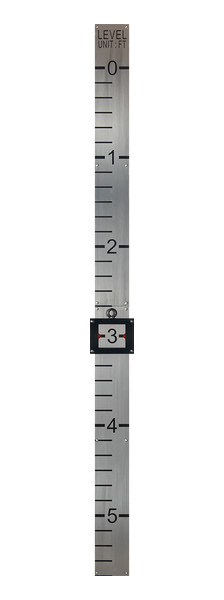
- No glass. A welded, all-metal chamber replaces the glass assembly on a flammable liquefied gas. The level is read on an external flag indicator.
- Cold climates. Heat tracing (option HT) and an insulation blanket (option IB) protect the chamber outdoors.
Recommended build
Typical build for a propane tank
| Gauge line | Magnamont™ for propane, butane and LPG storage and process vessels. Fortimag™ for high-pressure and flashing service |
|---|---|
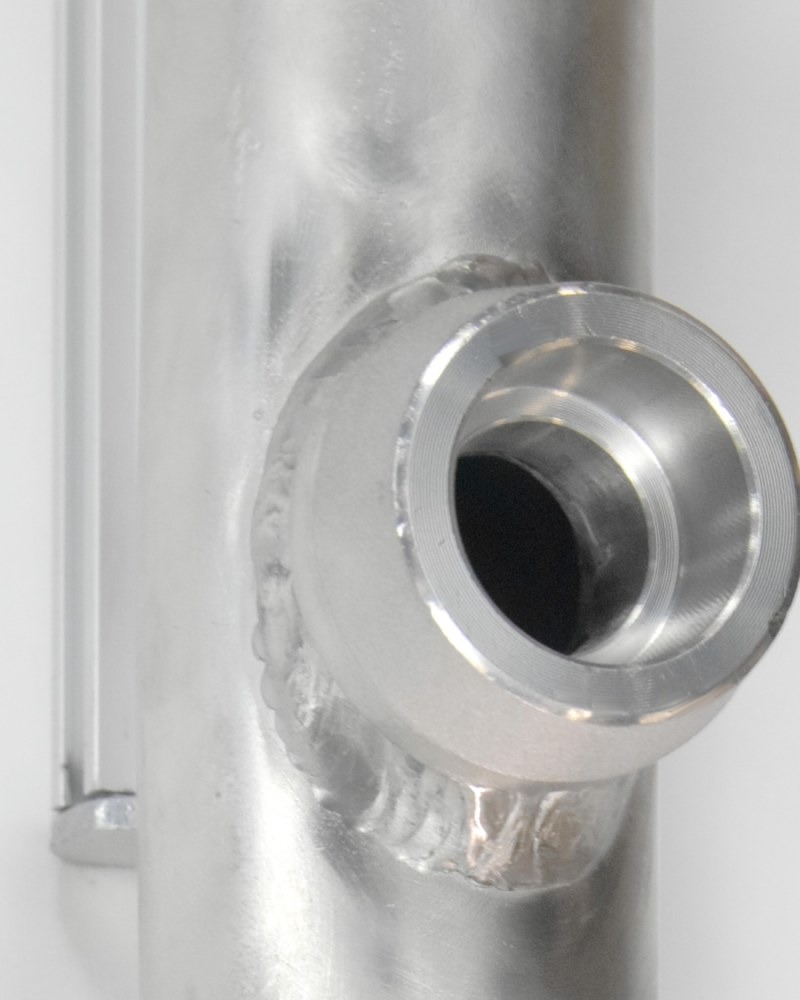
| Chamber | Welded SS316, 1.5 in or 2 in; rated from full vacuum |
| Float | MagnaLine™ titanium TI, weighted for the SG at the governing condition, for example SG0.47. Engineered ball-segment and syntactic-foam floats for extreme-pressure service; consult factory |
| Flange class | To the tank’s design pressure at design temperature: ANSI 150 to 1500; Fortimag™ Class 2500 built to order |
| Connections | Flanged, threaded or welded (Weldolet, Sockolet), ½ to 4 in |
| Construction code | ASME B31.3 B3 or B31.1 B1, as the plant specifies |
| Cold climates | Heat tracing HT; insulation blanket with window IB |
| Alarms | SurePoint™ latching SPDT switches PLS-1 to PLS-8, for example a high-level alarm at the fill limit |
| Signal | LevelSync™ MLT, 4–20 mA with HART®, intrinsically safe or explosionproof |
| Testing and documents | Pressure tested before shipment; hydrostatic test at not less than 1.5 × design pressure where specified. Test reports and MTRs available. |
Hazardous-area certifications are held by Lamont’s component manufacturing partner and apply to the supplied product. Final certification, temperature class and marking depend on configuration and are confirmed at quotation. Pressure and temperature ratings depend on materials, connections and configuration, and are confirmed at quotation.
Engineering note
Propane SG across the operating range
Worked selection: an outdoor propane tank
Example conditions: liquid temperature from −20 °F (−29 °C) in winter to 110 °F (43 °C) in summer, design pressure 250 psig (17.2 bar), and a high-level alarm at the fill limit.
- SG range: about 0.57 cold to 0.46 hot. Both are above the 0.34 minimum and the 0.45 consult-factory point.
- Weighting: the fill limit is reached in warm weather, so the float is weighted near the warm SG. In cold weather the float rides slightly high; Lamont states the offset.
- Pressure: a titanium float and chamber specified for the 250 psig design pressure, with the flange class checked at design temperature.
- Hot tanks: above about 120 °F (49 °C), propane falls below SG 0.45, a consult-factory case on Magnamont™.
| Temperature | Propane SG, about |
|---|---|
| −20 °F (−29 °C) | 0.57 |
| 20 °F (−7 °C) | 0.54 |
| 60 °F (16 °C) | 0.51 |
| 100 °F (38 °C) | 0.47 |
| 120 °F (49 °C) | 0.45 |
Applications
Selected projects
Quotation
What to send for a quotation
- Liquid: propane, butane or the LPG mix, and its SG across the operating temperatures.
- Design pressure and temperature, and the minimum design metal temperature.
- Where the level matters most: the fill limit, a low-level cut-off, or both.
- Centre-to-centre distance, connection size, rating and type (flanged or welded).
- Construction code: ASME B31.3 or B31.1, as the plant specifies.
- Area classification for the transmitter and switches, and heat tracing or insulation for cold climates.
- Replacing a gauge glass or magnetic gauge: a photo of the nameplate and the existing centre-to-centre. See Retrofits.
Questions
Frequently asked questions
What is the lowest SG a Lamont gauge can read?
SG 0.34 on Magnamont™ and Fortimag™. Below SG 0.45 on Magnamont™, and for two-phase service, consult factory.
Which SG is specified for propane?
The SG at the temperature where the level matters most, usually the fill limit in warm weather, together with the SG range across the operating temperatures. Propane is about 0.51 at 60 °F (16 °C), 0.57 at −20 °F (−29 °C) and 0.46 at 110 °F (43 °C).
Why a magnetic level gauge instead of a sight glass on LPG?
There is no glass in the pressure boundary. A welded, all-metal chamber replaces the glass assembly, and the indicator mounts outside it, isolated from the process.
Can the gauge operate below −40 °F?
The standard range of Magnamont™ and Fortimag™ is −40 to +842 °F (−40 to +450 °C); lower temperatures are on application review. Specify the minimum design metal temperature with the request.
Does the same build suit anhydrous ammonia?
Magnamont™ is offered for anhydrous ammonia receivers and surge drums, in sealed, glass-free construction. Specify the SG at operating temperature. Lamont states the wetted materials; the user confirms they are compatible with the service.
Applications