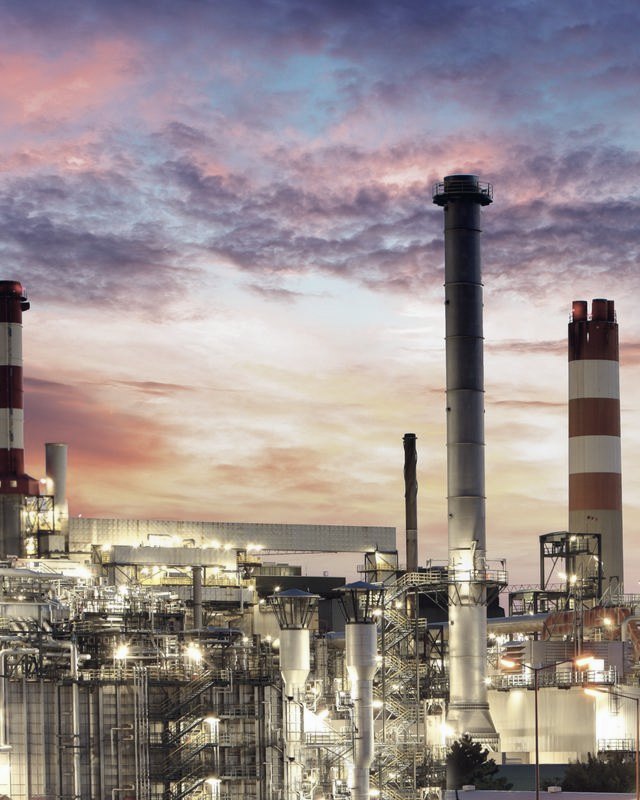
Produced water level gauges For produced-water tanks, skim tanks and separators
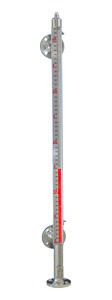
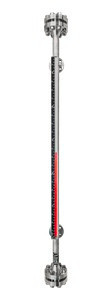
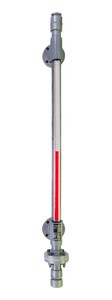
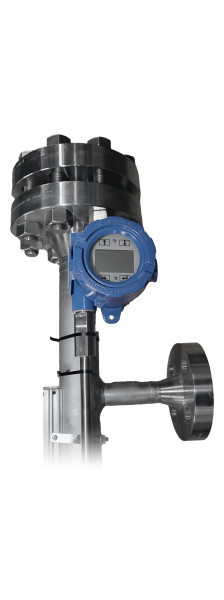
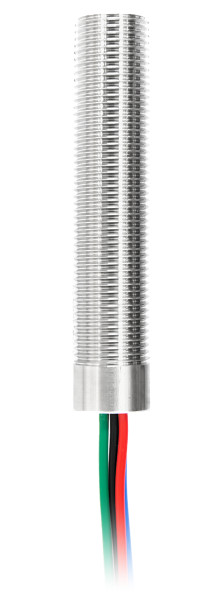
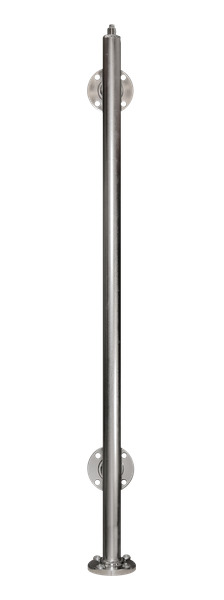
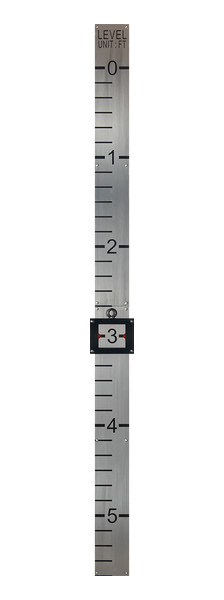
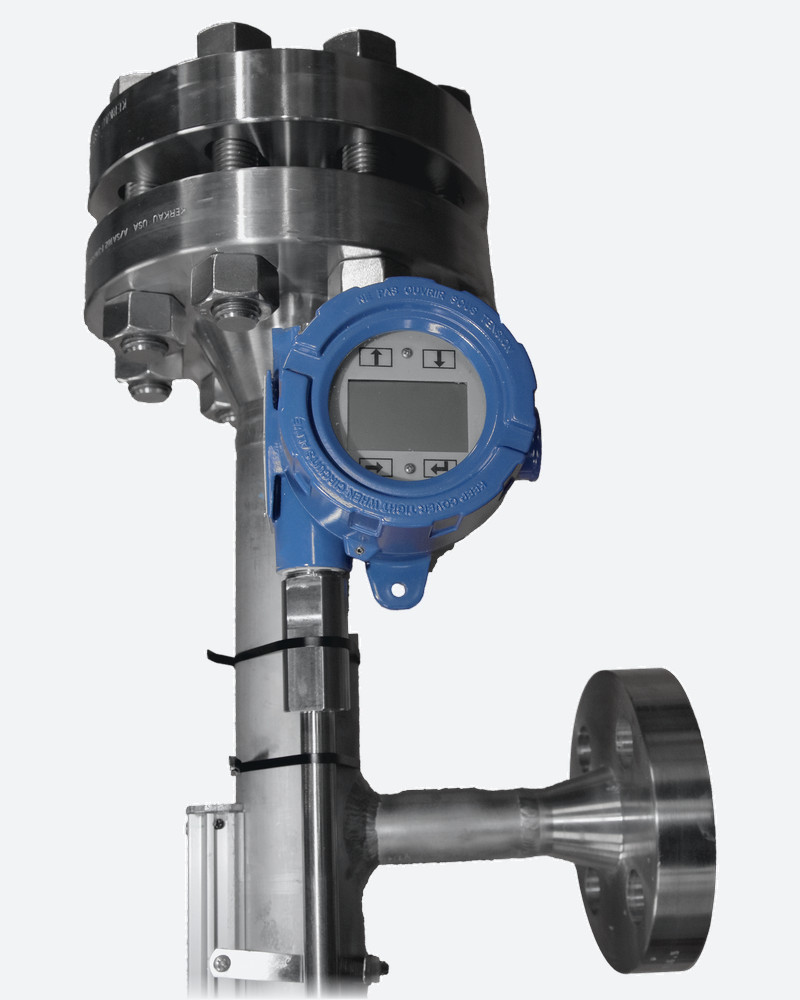
Produced water reaches the tank carrying oil, gas, salt and solids. A produced water level gauge reads the total level and, in many cases, the oil–water interface, outdoors and in classified areas. Lamont builds Magnamont™ magnetic level gauges in 316 stainless steel for produced-water tanks, skim tanks and treating vessels, and Fortimag™ gauges for high-pressure separators. Floats are weighted for the oil, the water or the interface between them. Scales read in percent or volume. LevelSync™ transmitters send a 4–20 mA signal to the control system. Lamont has supplied a set of gauges, graduated in percent of tank level, for a produced-water treatment vessel.
- Pressure, Magnamont™
- 3,400 psigfull vacuum to 234 bar
- Pressure, Fortimag™
- 5,000 psigClass 2500 built to order
- Interface service
- Option INTfloat weighted for the second liquid
- Minimum SG
- 0.34light oil and condensate
Ratings are confirmed at quotation.
Service conditions
Produced-water service
- Two liquids in one tank. Oil separates above the water. A float weighted for the oil rides on the top surface and indicates total level; a float weighted between the two SGs rides on the oil–water interface (see the engineering note).
- Salt water is heavier. Dissolved salts make produced water heavier than fresh water. Specify the measured SG, not 1.00.
- Light oil. Condensate and light crude can be SG 0.80 or less. Magnamont™ and Fortimag™ floats suit liquids down to SG 0.34; below 0.45 on Magnamont™, consult factory.
- Solids, scale and paraffin. Sand and deposits can restrict float travel. A drain at the bottom of the chamber allows flushing. For solids-bearing service, consult factory and describe the solids in the request.
- Outdoor service. Heat tracing (option HT) and an insulation blanket (option IB) protect the chamber from freezing in cold climates.
- Classified areas. The gauge itself has no electrical components. LevelSync™ transmitters are available intrinsically safe or explosionproof, and SurePoint™ switches for Class I, Div. 1 (UL 1203).
Recommended build
Typical build for a produced-water tank
| Gauge line | Magnamont™ for produced-water tanks, skim tanks and treating vessels. Fortimag™ for high-pressure separators, scrubbers and gas processing |
|---|---|
| Chamber | Welded SS316, 1.5 in or 2 in; Hastelloy, Monel K-500, Inconel 625, coated or lined: consult factory |
| Float | MagnaLine™ titanium TI, weighted for the oil to indicate total level. For interface service, both SGs are required; the second liquid’s SG is entered in option INTSG |
| Total level and interface | Two gauges on the same tank, or a custom dual-chamber build X |
| Connections | Flanged, threaded or welded, ½ to 4 in; ANSI 150 to 1500 (Fortimag™ Class 2500 built to order) |
| Construction code | ASME B31.3 B3 or B31.1 B1 |
| Scale | Percent of tank level, feet and inches, metres, or gallons or litres to the tank’s volume |
| Cold climates | Heat tracing HT; insulation blanket with window IB |
| Signal and alarms | LevelSync™ MLT, 4–20 mA with HART® (total or interface level, application dependent); SurePoint™ latching SPDT switches PLS-1 to PLS-8 |
| Testing and documents | Pressure tested before shipment; hydrostatic test at not less than 1.5 × design pressure where specified. Test reports and MTRs available. |
Hazardous-area certifications are held by Lamont’s component manufacturing partner and apply to the supplied product. Final certification, temperature class and marking depend on configuration and are confirmed at quotation. Pressure and temperature ratings depend on materials, connections and configuration, and are confirmed at quotation.
Engineering note
Measuring the oil–water interface
Both connections in liquid
An interface float is weighted to sink through the upper liquid and float on the lower liquid. The chamber must therefore hold both liquids in the same layers as the tank. The bottom connection is in the water; the top connection is in the oil, below the lowest oil level.
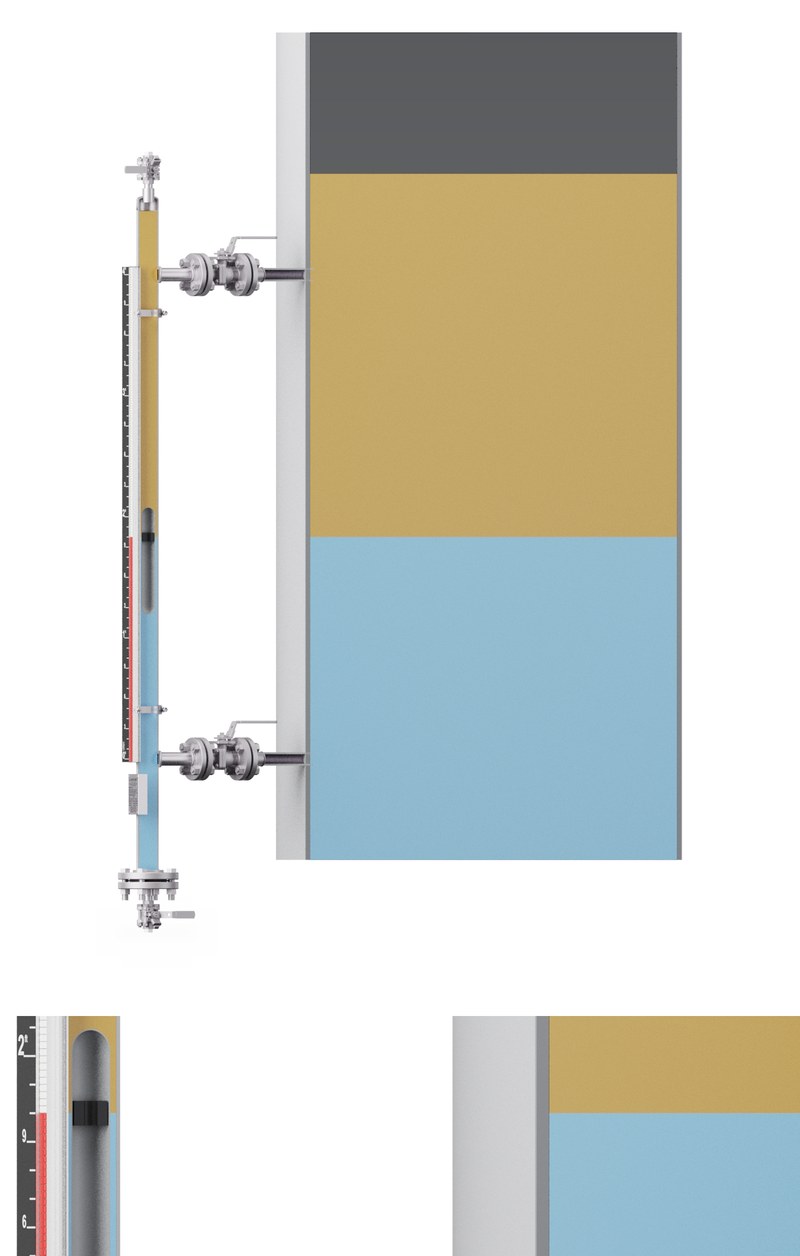 gasOil, SG 0.85Produced water, SG 1.05interfacelowest oil leveltop connectionbottom connectionAAInterface float sinks through oil, floats on waterFlags red below the interface
- Oil, SG 0.85
- Produced water, SG 1.05
- Top connection below the lowest oil level, so oil fills the top of the chamber.
From API gravity to SG
Oil density is often stated as API gravity. The float is weighted for SG at operating temperature.
| Oil | API gravity | SG |
|---|---|---|
| Medium crude | 25 °API | 0.90 |
| Light crude | 35 °API | 0.85 |
| Very light crude, condensate | 45 °API | 0.80 |
- Total level: a float weighted for the oil, SG 0.85, rides on the top surface.
- Interface: a float weighted for both liquids, with the water’s SG 1.05 entered in option INTSG. The SG difference between the liquids is 0.20.
- Emulsion: a larger SG difference gives a more distinct interface reading. For a small SG difference or a thick emulsion layer, consult factory and state the layer thickness if known.
Applications
Selected projects
Quotation
What to send for a quotation
- Liquids and SGs: the oil (or its API gravity) and the produced water, at operating temperature.
- Measurement required: total level, interface, or both, and the thickness of any emulsion layer.
- Operating and design pressure and temperature of the tank or vessel.
- Centre-to-centre distance, connection size and rating, and where each connection sits relative to the oil and water layers.
- Solids, H₂S and deposits: sand, scale or paraffin, and whether the service is sour.
- Area classification for the transmitter and switches, and a 4–20 mA signal or alarms if required.
- Scale: percent of tank level, feet and inches, or volume from the tank’s capacity table.
Questions
Frequently asked questions
Can one gauge read the total level and the interface?
Not with a single float. Total level and interface require two gauges on the same tank, or a custom dual-chamber build (option X): one float weighted for the oil, the other for the interface.
What information is needed for interface service?
The SG of both liquids at operating temperature, and the thickness of any emulsion layer if known. The second liquid’s SG is entered in the model code as option INTSG.
How is API gravity converted to SG?
SG = 141.5 ÷ (131.5 + °API), at 60 °F (16 °C). A 35 °API oil has an SG of 0.85.
Can the gauge be used in a hazardous area?
The magnetic level gauge itself has no electrical components. LevelSync™ transmitters are available intrinsically safe or explosionproof, and SurePoint™ switches for Class I, Div. 1 (UL 1203). Hazardous-area certifications are held by Lamont’s component manufacturing partner and apply to the supplied product. Final certification, temperature class and marking depend on configuration and are confirmed at quotation.
Can the scale read in percent of tank level?
Yes. Scales are available in percent, feet and inches, metres, or gallons or litres graduated to the tank’s volume.
Applications