Sodium hypochlorite tank level indicators Polysight™ magnetic level gauges for bleach storage, day and dosing tanks
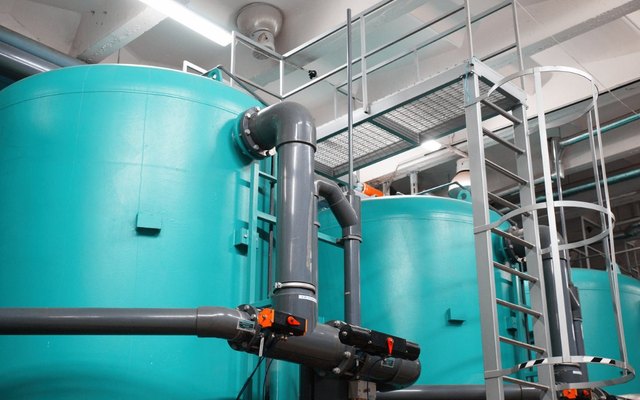
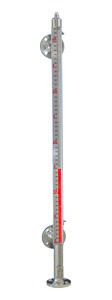
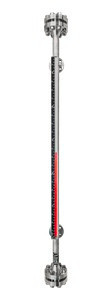
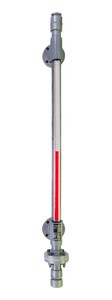
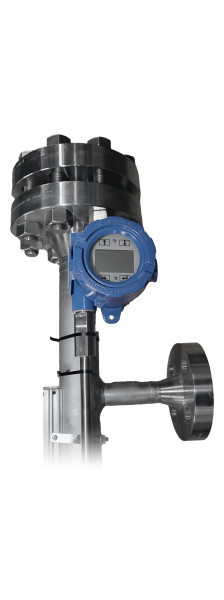
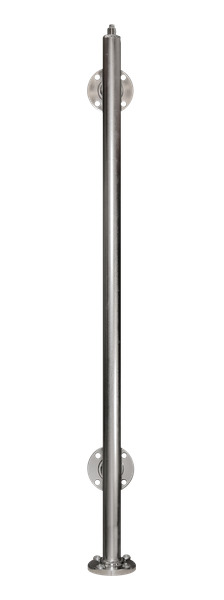
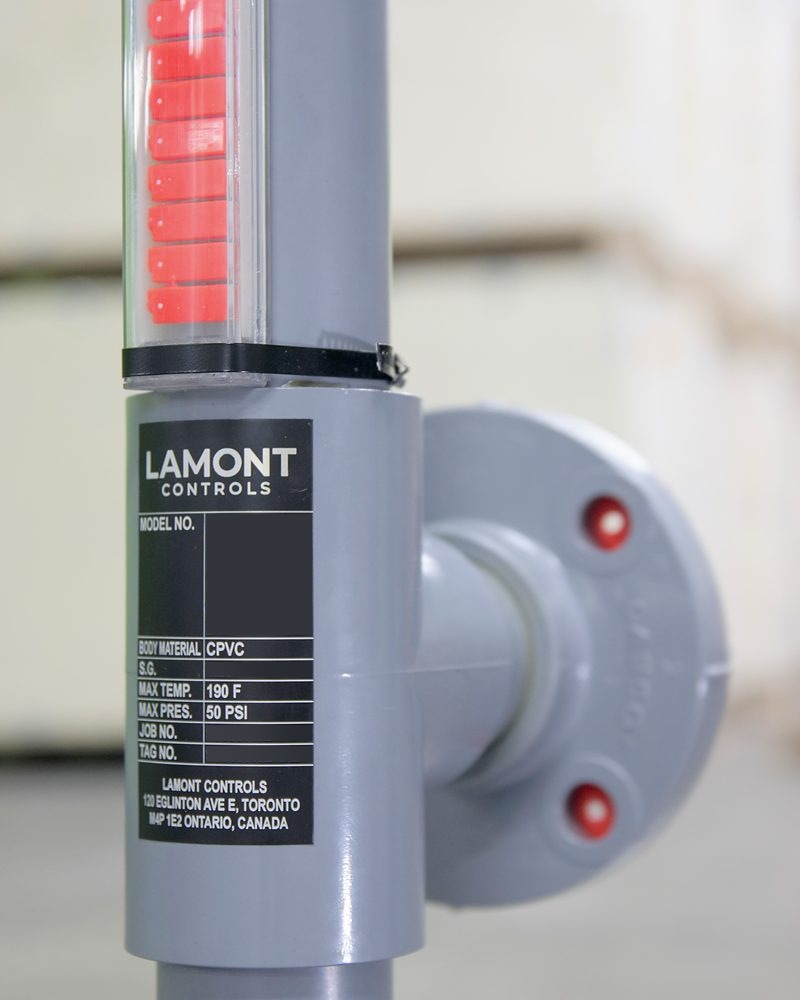
Sodium hypochlorite is held in storage and day tanks, in batch systems and in the chemical feed and dosing systems of water and wastewater treatment. Lamont Controls builds the Polysight™ magnetic level gauge for this service. The chamber is thermoplastic, CPVC or PVDF, and with a standard non-metallic float there is no metal and no glass in contact with the solution. A sealed float carries a magnet; the ClearView™ indicator outside the chamber follows it and shows the level continuously, with no electronics and no power. The float is weighted for the SG of the solution as stored. SurePoint™ switches add high and low alarms, and a LevelSync™ transmitter adds a 4–20 mA signal, each externally mounted on the chamber and magnetically coupled to the float. Lamont states the wetted materials of each gauge, and the buyer confirms their compatibility with the solution at its concentration and temperature.
- Pressure, Polysight™
- 150 psigfull vacuum to 10 bar
- Temperature
- −4…+248 °F−20…+120 °C, by chamber and float
- Chamber materials
- CPVC · PVDFCPVC standard; PVDF on request
- Wetted metal
- Nonewith standard non-metallic floats
Ratings are confirmed at quotation.
Service conditions
Sodium hypochlorite service
- Tanks and systems. Storage and day tanks, batch systems, and chemical feed and dosing in water and wastewater treatment. Also serving: hypochlorite generation in chlor-alkali plants and bleach-plant chemistry in pulp and paper. For acids, caustics and other treatment chemicals, see chemical storage tanks.
- Specific gravity. The float is weighted for the SG of the solution at its stored concentration and temperature, stated to two decimals in model code position 06. A float weighted for a different SG reads off the true level, so the SG is stated with every enquiry.
- Temperature. Each chamber material and each float material has its own maximum temperature. The lower of the two governs the gauge (see wetted materials).
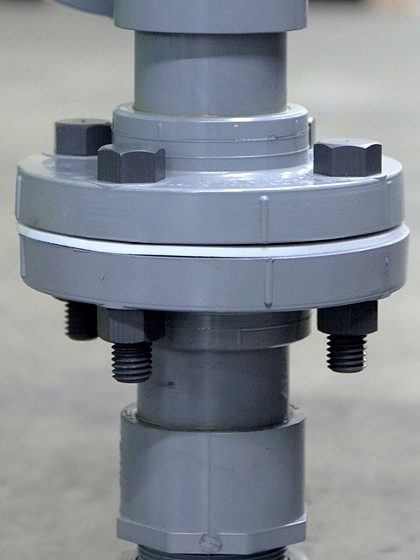
- Pressure and connections. Rated from full vacuum to 150 psig (10 bar), depending on material, temperature and configuration. ANSI 150 flanges (standard) or NPT threads, in 1, 1½ or 2 in (3 in: consult factory).
- Surroundings. The PVC-housed IPVC-80 indicator is recommended where corrosive fumes surround the tank, and the sealed HS-80 for condensation, humidity or washdown. For outdoor tanks, a painted finish is available on CPVC chambers for UV service.
Operation
Principle of operation
- Float. A sealed MagnaLine™ float carries a permanent magnetic assembly. It is weighted for the SG of the solution, floats at the surface and moves with the level inside the sealed thermoplastic chamber.
- Magnetic coupling. The magnetic field of the float couples through the chamber wall to the ClearView™ indicator outside the chamber. The indicator follows the float with no contact with the process.
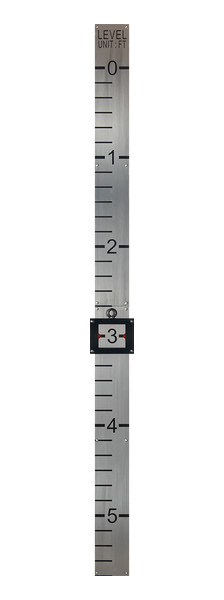
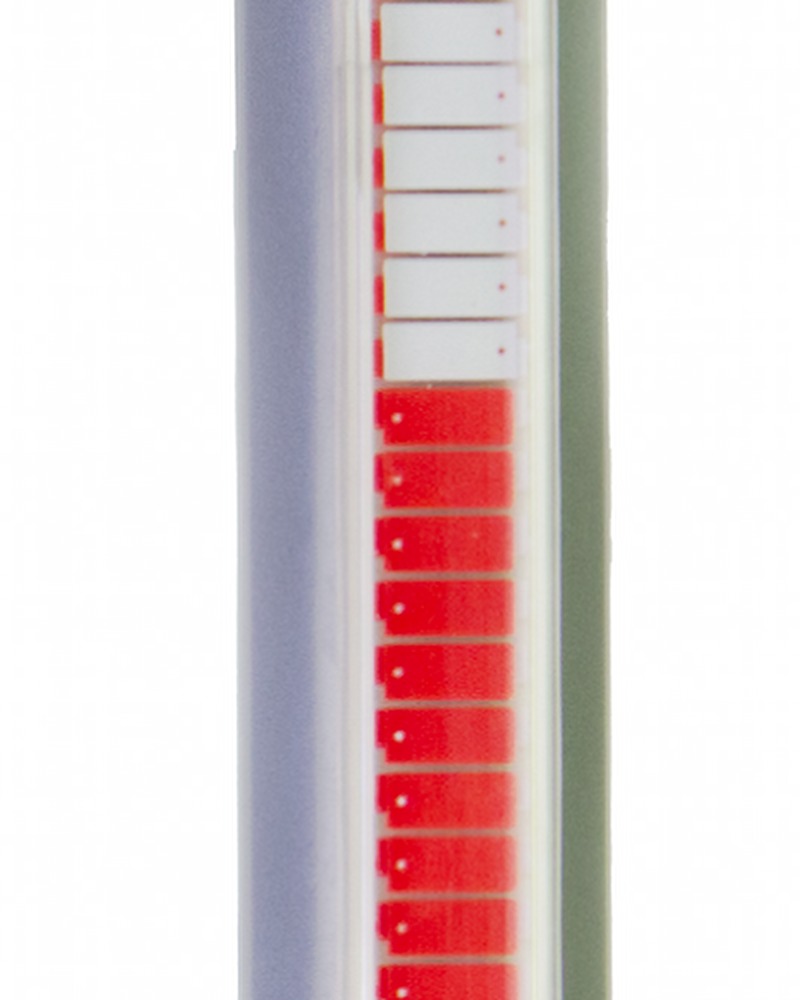
- Indication. Rotating flags turn as the float passes: one colour below the liquid level, the other above it. The reading is continuous.
No glass and no wetted electronics
- No glass. A sealed thermoplastic chamber replaces the sight glass. There is no glass to break under thermal shock or impact.
- Contained solution. The sealed thermoplastic boundary keeps the solution in the chamber and reduces personnel exposure at the gauge.
- No wetted electronics. No probes or electronics are exposed to the process. Switches and transmitters mount outside the chamber.
- No power. Local indication needs no electronics, power supply or calibration.
How a magnetic level gauge works: full principle of operation
Construction
Polysight™ build for hypochlorite tanks
| Gauge | Polysight™ thermoplastic magnetic level gauge, engineered to order for the chemistry, the vessel and the SG of the solution |
|---|---|
| Chamber | 2 in CPVC chamber CPVC standard; PVDF PVDF on request where the service calls for it |
| Construction | Industrial grade thermoplastic fabrication IG; solvent- and fusion-bonded joints |
| Float | MagnaLine™ PTFE TF, standard in a CPVC chamber; PVDF PV, standard in a PVDF chamber; polypropylene PP, optional. Weighted for the SG in position 06. The PTFE float is for low-pressure service; the rating of the complete gauge is stated on the quotation |
| Connections | Flanged ANSI 150 (standard), FNPT or MNPT; 1, 1½ or 2 in (3 in: consult factory). DIN PN10 and JIS 5K on request |
| Vent and drain | Threaded FNPT (standard) or MNPT; ½, ¾ or 1 in |
| Indicator | ClearView™ IPVC-80, PVC flags in a transparent PVC housing, rated 176 °F (80 °C), recommended for corrosive fumes. HS-80, hermetically sealed, for condensation, humidity or washdown. IPVC-120, PVC flags in an aluminum housing with scale, rated 248 °F (120 °C) |
| Scale | Feet and inches, metres, percent, or gallons or litres graduated to the tank’s volume |
| Finish | Natural; painted on CPVC for outdoor and UV service. Paint is not available on PVDF |
| Alarms and signal | SurePoint™ latching SPDT switches PLS-1 to PLS-8; LevelSync™ MLT, 4–20 mA with HART®. Externally mounted and magnetically coupled; no wetted parts |
| Testing and documents | Pressure tested before shipment; hydrostatic test with clean water at not less than 1.5 × design pressure (1 hour minimum) and a 24-hour water-fill leak test where specified. Test certificates available. |
Pressure and temperature ratings depend on materials, connections and configuration, and are confirmed at quotation.
Wetted materials
Wetted materials and compatibility
Wetted parts and temperature limits
The chamber, its bonded joints and the float are in contact with the solution, as are the vent and drain fittings and the gaskets fitted at the process flanges. Each material has a maximum temperature; where a chamber and a float are paired, the lower limit governs.
| Part | Material | Code | Maximum |
|---|---|---|---|
| Chamber | CPVC (standard) | CPVC | ~199 °F (~93 °C) |
| Chamber | PVDF | PVDF | ~248 °F (~120 °C) |
| Float | PTFE | TF | 248 °F (120 °C) |
| Float | PVDF | PV | 212 °F (100 °C) |
| Float | Polypropylene | PP | 176 °F (80 °C) |
| Joints | Solvent- and fusion-bonded | – | – |
Chamber limits are service-dependent and are confirmed at quotation.
Compatibility
Lamont states the wetted materials of each gauge on the quotation and in the nameplate model code: position 03 for the chamber and position 05 for the float. The buyer confirms the compatibility of those materials with the hypochlorite solution, at its concentration and temperature.
For hypochlorite service, the CPVC chamber is standard; PVDF is offered on request where the service calls for it. The indicator and the connections are set in the engineering review at quotation, from the concentration, the temperature range and any other constituents of the solution.
Outside the chamber
The ClearView™ indicator, SurePoint™ switches and the LevelSync™ transmitter mount outside the chamber and are not wetted. They are selected for the surroundings of the tank: fumes, washdown and sun.
Alarms and signal
SurePoint™ alarms and LevelSync™ 4–20 mA
The switches and the transmitter are externally mounted and magnetically coupled to the gauge float. They have no wetted parts, need no additional tank nozzle, and are fitted at the factory or in the field.
SurePoint™ point-level switch
Actuated by the magnet of the float, for high and low level alarms and basic control. The switch is band-clamped to the chamber, and the set point is adjustable along it.
| Contact | SPDT, latching |
| Rating | Up to 25 W resistive; 1 A at 24 VDC; 150 VDC · 230 VAC max |
| Switch rating | −58 to +221 °F (−50 to +105 °C) |
| Order | 1 to 8 switches: PLS-1 to PLS-8 |
LevelSync™ level transmitter
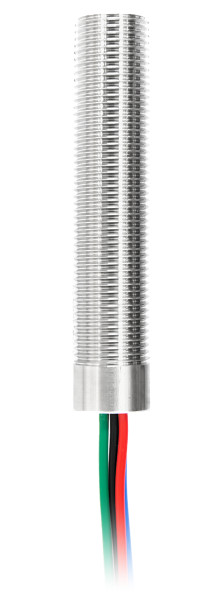
Continuous level from the same float by magnetostrictive time-of-flight sensing. The transmitter has no moving parts and no routine recalibration.
| Output | 4–20 mA with HART®; Modbus RTU or DDA optional |
| Accuracy | ±0.039 in (±1 mm) inherent |
| Length | 12 to 144 in (305 to 3,658 mm); longer on request |
| Order | Option MLT in the gauge model code |
Applications
Selected projects
Questions
Frequently asked questions
Which chamber material is used for sodium hypochlorite?
The Polysight™ CPVC chamber is standard; PVDF is offered on request where the service calls for it. Lamont states the wetted materials of each gauge; the buyer confirms their compatibility with the solution.
Is any metal in contact with the hypochlorite?
Not with a standard float. The chamber is CPVC or PVDF and the standard floats are PTFE, PVDF or polypropylene, so with a standard non-metallic float there is no metal in the wetted path. The indicator, switches and transmitter mount outside the chamber.
Which SG is specified for the float?
The SG of the solution at its stored concentration and temperature, to two decimals, in model code position 06. The float is weighted for that SG; a float weighted for a different SG reads off the true level.
Does the gauge need power?
No. The float turns the indicator flags through the chamber wall, so local indication needs no electronics, power supply or calibration. A LevelSync™ transmitter is added where a 4–20 mA signal is required.
Can the gauge be installed outdoors?
Yes. A painted finish is available on CPVC chambers for outdoor and UV service; PVDF chambers are not painted. The indicator is selected for the surroundings: IPVC-80 where corrosive fumes surround the tank, the sealed HS-80 for condensation, humidity or washdown.
Can alarms and a 4–20 mA signal be added later?
Yes. SurePoint™ SPDT switches and a LevelSync™ transmitter are externally mounted and magnetically coupled to the same float. They have no wetted parts, need no additional tank nozzle, and are fitted at the factory or in the field.
Quotation
What to send for a quotation
- Concentration of the solution as stored, its range, and any other constituents.
- Specific gravity of the solution at its stored concentration and temperature.
- Operating and design temperature, including heat tracing or sun exposure.
- Operating and design pressure: atmospheric or the tank’s design rating.
- Centre-to-centre distance, connection size and type (flanged or NPT) and configuration.
- Surroundings: corrosive fumes, washdown or outdoor UV, for the indicator and finish.
- Level points: high and low alarms, and a 4–20 mA signal if required.
- Replacing an existing gauge: a photo of the nameplate and the existing centre-to-centre. See Retrofits.
Applications